

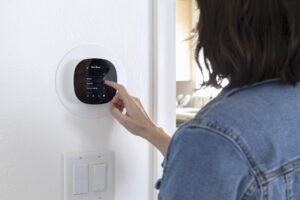
 The rental property market is evolving alongside shifting resident preferences. With owning a home becoming less attainable for millennials, Gen Z, and seniors, long-term rentals are increasingly preferred. As a result, renters are now drawn to advanced amenities, particularly smart home technology.
Today’s residents favor rentals with smart features such as high-speed internet access, customizable thermostats, and modern security enhancements. For landlords, the value of these upgrades is influenced by location, tenants, market, and anticipated financial outcomes.
What Are Smart Home Devices for Rentals?
Smart home devices are internet-connected technologies that automate and control property functions. In rental environments, the most popular selections include:
- Smart thermostats (Nest, Ecobee)
- Smart locks, keyless entry systems
- Video doorbells and security cameras
- Smart lighting systems
- Water leak detectors
- Smart smoke and carbon monoxide detectors
- Smart plugs and outlets
These products connect to Wi-Fi networks and can be monitored remotely via smartphone applications, offering convenience for both landlords and tenants.
The Benefits of Smart Devices in Rental Properties
Increased Property Efficiency and Cost Savings
Smart devices help enhance property efficiency and reduce recurring costs, making them appealing to renters seeking convenience and sustainability.
Smart thermostats manage heating and cooling costs by adapting to usage patterns, compensating for vacancies, and preventing HVAC misuse. This saves money and minimizes unnecessary wear.
Water leak detectors notify owners as soon as issues arise, helping avoid costly repairs. Smart lighting options also reduce electricity use by ensuring lights shut off automatically when no one is home.
PRO TIP: Install smart thermostats with temperature-range restrictions to keep tenants from setting extreme temperatures that damage HVAC systems or increase utility expenses. Establish limits such as (e.g., 65-78°F) to maintain comfort while protecting your equipment.
Enhanced Security and Tenant Safety
Security is a top priority for renters, and smart security features deliver added protection for residents and improved control for landlords.
Video doorbells and security cameras help deter theft and vandalism and provide evidence if needed. Alert systems notify both landlords and residents to unauthorized entry attempts, which is valuable for properties with residents who travel frequently.
Streamlined Property Management
Smart locks streamline access management in rental properties. Instead of physically changing locks between tenants—which costs $75-150 per turnover—landlords can update access codes remotely. This reduces emergency locksmith calls, allows secure access for maintenance and contractors, and maintains a full record of property entry.
Landlords who manage multiple properties can offer self-showings and enhance security with minimal effort.
Higher Rental Income Potential
In competitive markets, especially near universities, tech hubs, or urban centers, smart home features can support monthly rents 5-15% higher. Rentals appealing to young professionals, remote employees, or students benefit most from these upgrades.
Smart home features are now viewed as standard amenities, like in-unit laundry or central air, and properties lacking them may struggle to attract tenants willing to pay higher rents.
The Drawbacks of Smart Home Technology in Rentals
Upfront Investment Costs
A key consideration when adopting smart home technology is the upfront cost. Individual devices can be affordable, but full smart home systems may become expensive:
- Smart thermostat: $120-250 per unit
- Smart lock: $150-300 per door
- Video doorbell: $100-250
- Security camera: $200-600
- Smoke/CO detectors: $80-120 each
- Professional installation: $200-500 per property
For a single-family rental, the total cost for a full smart home package can range from $1,000 to $3,000. Systems are most effective when installed as a unified set; partial upgrades may offer limited effectiveness. Not all markets support rent increases sufficient to offset these costs, so market analysis is critical before implementation.
Internet Connectivity Requirements
Smart devices require consistent Wi-Fi. In areas with poor connectivity, performance may suffer.
Landlords must decide who will provide and maintain the internet connection. If tenants are responsible, cooperation is required for setup, and access may be lost if service is disconnected. Providing internet yourself introduces additional monthly expenses and management duties.
Maintaining ongoing access involves firmware updates, password administration, and troubleshooting, adding to the workload of property management.
Tenant Privacy Concerns
Even though many renters welcome smart technology, privacy issues remain a concern. Reports of hacked cameras, data breaches, and unauthorized monitoring have made some residents cautious about connected devices.
Interior cameras are particularly problematic, as many jurisdictions prohibit landlords from installing them in rental units. Even exterior cameras and smart locks that record entry times may be worrisome for privacy-conscious renters.
Being upfront about which devices are installed, what information they collect, who can access it, and how it is used can help address these concerns. Allowing tenants some control over smart features reduces privacy-related worries.
Maintenance and Technical Support
Smart devices require additional maintenance responsibilities. Unlike traditional locks or thermostats, they necessitate:
- Firmware and software updates
- Wireless battery replacements
- Resolving connectivity issues
- Replacing outdated devices
- Educating tenants on proper operation
Without technical knowledge, hiring professional support may be necessary, which increases operational costs.
Which Smart Devices Are Worth the Investment?
Smart devices do not all provide equal value for tenants. Conducting a cost-benefit analysis and reviewing renter demand helps determine priorities:
Highest ROI:
- Smart locks – avoid rekeying costs and allow remote access
- Smart thermostats – reduce utility expenses and prevent HVAC misuse
- Video doorbells – boost security and deter package theft
Moderate ROI:
- Water leak detectors – help prevent catastrophic damage
- Smart smoke/CO detectors – improve safety with remote monitoring
Lower ROI:
- Smart lighting – convenient with small energy savings
- Smart plugs – inexpensive, limited impact
How to Calculate ROI on Smart Home Upgrades
Estimate returns prior to investment:
- Total Investment Cost: Device cost plus installation and ongoing fees
- Monthly Rent Increase: Analyze comparable rentals to estimate realistic increases
- Annual Additional Income: Multiply monthly increase × 12 months
- Cost Savings: Include maintenance, utilities, and turnover savings
- Payback Period: Divide total investment by (annual additional income + savings)
Aim for a 2-4 year payback. If the payback period exceeds 5 years, consider only for long-term holdings.
PRO TIP: Test smart devices on a single property. Monitor tenant feedback, operational benefits, and rent adjustments over 6-12 months before scaling.
Final Verdict: Should You Upgrade Your Rental Property?
Upgrading rental properties with smart devices can bring meaningful advantages, but it is important to weigh costs and challenges. Smart technology can enhance operational efficiency, increase security, streamline property management, and potentially justify higher rents.
Smart devices make the most sense for:
- Competitive urban or suburban properties
- Rentals attracting young professionals, students, or remote workers
- Landlords managing several units who benefit from remote access
- Properties with high utility expenses where smart thermostats are effective
- Areas with strong and dependable internet infrastructure
Smart devices may not be worthwhile for:
- Properties where tenants prioritize affordability over amenities
- Units in areas with poor internet connectivity
- Markets where comparable rentals do not feature smart technology
- Landlords lacking technical skills or support
- Properties with older tenant demographics less interested in tech
Use data-driven analysis based on your market, property attributes, and tenant demographics. Start with a small-scale implementation, measure performance, and expand according to proven ROI.
Get Expert Guidance for Your Rental Property Investments
Being a real estate investor in Layton means every decision about smart home upgrades can affect your bottom line. Real Property Management Northern Utah delivers personalized recommendations and local market intelligence to guide you toward which device upgrades make financial sense for your rentals.
Connect with us online or call 801-546-1770 today to learn which upgrades truly enhance your property’s value.
This content is provided for general informational and educational purposes only and does not constitute financial, legal, tax, or investment advice. Readers should consult with licensed professionals regarding their specific circumstances.
We are pledged to the letter and spirit of U.S. policy for the achievement of equal housing opportunity throughout the Nation. See Equal Housing Opportunity Statement for more information.
